

In a dramatic victory for employers, California’s Private Attorneys General Act (PAGA) is expected to be reformed this week. The reform, expected to be signed into law this week, has…
Read More ›
Last week, the California Supreme Court issued a highly anticipated decision in Estrada v. Royalty Carpet Mills, Inc., finding that trial courts cannot strike claims under the Private Attorneys General…
Read More ›
Last week, the California Supreme Court issued its long-awaited decision in Adolph v. Uber Technologies, Inc. to determine the effect of arbitration agreements on claims for penalties brought by employees…
Read More ›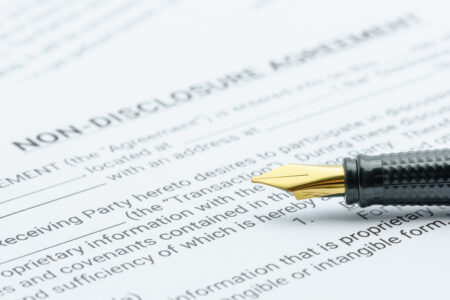
In recent years, the California Legislature has limited the use of non-disparagement and confidentiality provisions in severance agreements. For example, non-disparagement provisions in California must now include a disclaimer clarifying…
Read More ›June 16, 2022
Million-Dollar PAGA Cases Can Be Avoided Under U.S. Supreme Court’s Viking River Decision

On June 15, 2022, the U.S. Supreme Court issued a bellwether decision that has the potential to dramatically decrease employers’ exposure under California’s Private Attorneys General Act of 2004 (PAGA)….
Read More ›