

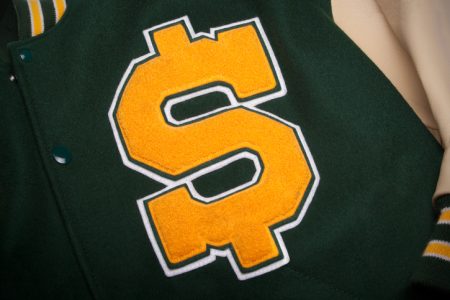
Overlapping but fundamentally different legal developments in the last few weeks have transformed how the National Collegiate Athletic Association (NCAA) defines and applies “amateurism” – the core concept by which…
Read More ›March 23, 2021
Supplemental Paid Sick Leave Returns: Retroactive Application, Immediate Consequences for California Employers
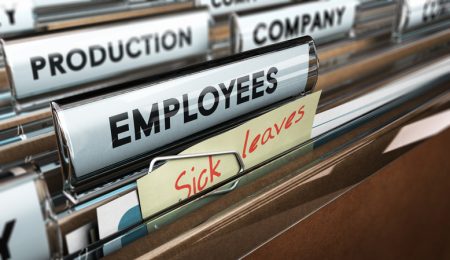
On March 19, 2021, Governor Newsom injected new life into previously expired statewide COVID-19 Supplemental Paid Sick Leave (SPSL) benefits. By signing Senate Bill (SB) 95, eligible California employers must…
Read More ›
** UPDATE ** The DOE has issued further clarification on its changes to Title IX. See our June 25, 2020 blog post for more information. May 6, 2020 – Earlier…
Read More ›May 1, 2020
Planning For The Rebound: Step 5 – Passing the Test: COVID-19 Screening in the Workplace

Employers may now conduct mandatory COVID-19 screenings before allowing employees back into the workplace, according to new guidance issued on April 23, 2020 from the U.S. Equal Employment Opportunity Commission…
Read More ›